Sunday, 20 April 2025

Reasons Why you Must Purchase a Cover for Heart Disease ?


Major Reasons to Buy a Heart Care Policy at the Earliest

“Healthy heart leads to a longer and happier life” is a well known and obvious fact. Unfortunately, owing to factors like unhealthy lifestyle, obesity, stress, smoking, heart ailments cases have been continuously increasing across the world including India. It is important to remember that it is never too late to start paying attention to your heart health and adopt a healthier lifestyle.


Despite doing your best to take care of your heart, a medical emergency can attack anyone, anytime. A medical emergency can leave a huge negative impact on an individual and his/her family, both emotionally and financially. While it may be difficult to manage emotional agony in such a situation a comprehensive heart care plan helps you handle the financial distress. 

Heart Ailments have Started Occurring in Earlier Stages of life

In comparison to previous generations, people are experiencing heart attacks at a much earlier age than before, almost a decade earlier. The reasons for this might be plenty, such as sedentary lifestyle, pollution, and genetics. Lifestyle tweaks such as a mindful diet, work-life balance, and regular exercise can help in preventing the chances of heart ailments. However, you never know what is waiting in store for you. Heart ailments such as heart attacks and cardiac arrests might even come as a complete surprise to you. Having an insurance cover that covers this aspect will make life easier for you when you are faced with sudden surprises like these.


Employer’s Plan may not Offer Heart Insurance Coverage

Insurance policies offered by companies and employers most likely only offer basic covers for your health. While covers may include standard medical costs and accident coverage, it is unlikely that it covers ailments related to your heart and other major organs. It would be wise of you to go through your entire health insurance plan and purchase additional covers that are relevant to your health. Moreover, insurance from employers comes with many terms and conditions and may not always be applicable during an emergency.


Skyrocketing Medical Costs

Needless to say medical costs are increasing at a fast pace along with time and inflation. A heart ailment is definitely not something that easily fits the budget of everyone, especially during an emergency. Apart from basic hospitalization and medical costs, there is so much more involved such as doctors’ consultation fees, room rent, medical costs, etc. With regard to the heart, sometimes, even surgery is required. Having a heart care policy or heart attack insurance can save you from getting a hole in your pocket in such kinds of emergencies.


No Need to Delay Treatment

Most of the time, people from families who cannot easily afford treatment prefer to delay in order to save their families from financial burdens. However, what they don’t realize is that this would only cause more burden on the family once the patient’s health gets worse. Having a health insurance cover specific to your disease will ease this burden for you and your family members in double folds when the difficult time comes. Thus, look at an insurance heart cover as an investment, rather than an expense.


Peace of Mind

Any kind of diseases or ailment is sure to take a toll on your mental peace. The most common kind of stress faced in such situations is financial stresses unless you are from an extremely wealthy family. Having a life insurance policy with specific covers can ease this stress on you, knowing that you have a safety net fall back option to rely on when faced with difficult times.


There are several insurance covers for heart health that you can add on to your regular health insurance. Care heart is one such plan offered by us at Care Health Insurance company. It is a plan that offers cover for pre-existing heart ailments. It is a comprehensive heart care plan that covers several expenses such as hospitalization charges, alternate treatment expenses, ambulance charges, pre and post hospitalization charges and also regular cardiac health check-ups. If you have already detected some kind of heart ailment, this plan will have you covered. You can choose covers that best fit your kind of lifestyle and you feel will be useful for you during later stages in life.


Thursday, 17 April 2025

What is Health Information Technology? Ultimate Guide

The average person often doesn’t think about health care softwareThey often don’t think about how it affects the medical industry as a whole, either. Many might think,My clinic is doing just fine what do I car? But the impact of health information technology has revolutionized patient care on a global scale. Implementing these medical practice management software and other health care information systems in hospitals and other health care organizations has had monumental effects.

Health information technology  improves health care quality by processing, storing and exchanging health information through an electronic medium. Health care systems leveraging health information technology reduce costs and improve medical care. According to a report published by HIMSS,about 70% of health care institutions plan to invest heavily in digital health care tools.

Before we dive in too far, let’s define what health information technology actually is. In the broadest sense, HIT is applying information technology to health care. This refers to the electronics systems that health care professionals use to store, share and analyze health information. It’s another way to describe the comprehensive management of information among patients, practitioners, government and quality entities, and insurers.


The use of health information technology improves the quality and effectiveness of health care; it promotes individual and public health while increasing the accuracy of diagnoses. The software also reduces costs and medical errors, while improving the efficiency of both administrative and clinical processes.


In addition to providing a higher quality of care, health care software saves you time and money. Using health information technology can reduce the time and effort spent managing daily operations and administrative tasks, allowing your health care organization to focus more of its efforts on patient treatment and health. Faster prescriptions, improved information sharing, reduced paperwork and better follow-up are just a few examples of how health care software is helping facilities to become more productive and efficient.


There are various health care information technology systems — depending on your health care organization’s type of treatment and specific needs, there will be certain solutions you’ll benefit from more than others. Before you can begin the process of selecting software, you must be aware of the different software types regarding. 

 Categories:

There are three main health care information technology categories and four “subcategories.” You ll find these exist in both hospitals and physician offices and are beneficial for nearly all types of providers.
Medical Practice Managem:

As the name implies, practice management software helps you manage your practice’s different administrative and clinical aspects. MPM software centralizes various systems so you can run things more efficiently. It automates almost every task under the “health information management” umbrella, from organizing appointments to verifying insurance.

Although there may be some features that involve patient information, MPM is geared much more toward a health care facility’s clerical work, such as managing patient flows and other general documentation for the office. With medical practice management software, there’s no need for a patient’s medical data to be included. For example, practice management software might keep record of patient demographics but will generally not include a patient’s medical history.

Rather than clinicians, the primary users of practice management software will consist predominantly of front desk workers as well as those with administrative roles. In addition to scheduling appointments and verifying insurance, medical practice management software automatically processes claims, generates reports and handles medical billing and payment.

Overall, think of practice management as a way to manage the day-to-day operations of your health care organization. By automating a variety of business tasks, MPM helps to improve a facility’s production and efficiency while giving administrators and other staff more time to focus on patient care.

Tuesday, 15 April 2025

Special Topics in Health Information Privacy


Special Topics in Health Information Privacy

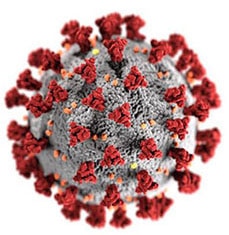
COVID-19 and HIPAA

HIPAA and COVID-19

COVID-19 and HIPAA
During the COVID-19 national emergency, which also constitutes a nationwide public health emergency, the HHS Office for Civil Rights (OCR) has provided guidance that helps explain how the HIPAA Privacy Rule allows patient information to be shared in the outbreak of infectious disease and to assist patients in receiving the care they need.

HIPAA and Reproductive Health

OCR has issued guidance on the Health Insurance Portability and Accountability Act (HIPAA) Privacy Rule (Privacy Rule) and the privacy of individuals’ protected health Information (PHI) relating to abortion and other sexual and reproductive health care.


HIPAA and Telehealth

OCR has issued guidance about telehealth and the privacy and security of individuals’ protected health information. The guidance materials address how covered entities can provide audio-only telehealth in compliance with the HIPAA Rules. They also clarify how OCR is applying the Notification of Enforcement Discretion for Telehealth Remote Communications to support the good faith provision of telehealth during the COVID-19 nationwide public health emergency.


Updated Joint Guidance on Application of HIPAA and FERPA to Student Health Records

The U.S. Department of Education and the Office for Civil Rights at the U.S. Department of Health and Human Services issued joint guidance addressing the application of the Family Educational Rights and Privacy Act  and the Health Insurance Portability and Accountability Act of 1996 (HIPAA) Privacy Rule to records maintained on students.


Mental Health & Substance Use Disorders

At times, health care providers need to share mental and behavioral health information to enhance patient treatment and to ensure the health and safety of the patient or others. Parents, friends, and other caregivers of individuals with a mental health condition or substance use disorder play an important role in supporting the patient's treatment, care coordination, and recovery. The HIPAA Rules are designed to protect the privacy of all of an individuals' identifiable health information and to ensure that health information is available when needed for treatment and other appropriate purposes. Given the sensitive nature of mental health and substance use disorder treatment information, OCR provides guidance addressing HIPAA protections, the obligations of covered health care providers, and the circumstances in which covered providers can share information—as applied to this context.


Research

Eye dropper and test tubesResearchers in medical and health-related disciplines rely on access to many sources of health information, from medical records and epidemiological databases to disease registries, hospital discharge records, and government compilations of vital and health statistics.

The Privacy Rule recognizes that the research community has legitimate needs to use, access, and disclose individually identifiable health information to carry out a wide range of health research protocols and projects.  The Privacy Rule protects the privacy of such information when held by a covered entity but also provides ways in which researchers can access and use the information for research, subject to various conditions.


Public Health

Group of adults and childrenProtecting public health, including through public health surveillance, program evaluation, terrorism preparedness, outbreak investigations, and other public health activities, often requires access to or the reporting of the protected health information of individuals.  This information is used to identify, monitor, and respond to disease, death, and disability among populations.

The Privacy Rule recognizes the legitimate need for public health authorities and certain others to have access to protected health information for public health purposes and the importance of public health reporting by covered entities to identify threats to the public and individuals.  Thus, the Privacy Rule permits covered entities to disclose protected health information without authorization for specified public health purposes.


Emergency Situations: Preparedness, Planning, and Response

Phone with Call 911 messageThe Privacy Rule is carefully designed to protect the privacy of health information, while allowing important communications to occur. For example, the Rule permits the sharing of protected health information for emergency preparedness planning and response under a number of circumstances.

HHS has developed guidance materials addressing appropriate uses and disclosures of protected health information in emergency situations.


Health Information Technology

Health care professionals using laptop

Health information technology (health IT) involves the exchange of health information in an electronic environment.  Widespread use of health IT will improve the quality of health care, prevent medical errors, reduce health care costs, increase administrative efficiencies, decrease paperwork, and expand access to affordable health care.  It is imperative that the privacy and security of health information be ensured as this information is maintained and transmitted electronically.

The Privacy Rule's established baseline of privacy protections and individual rights with respect to individually identifiable health information support the use of health IT and provide important protections in this area. The Security Rule supports the adoption of new health information technologies while setting standards to ensure appropriate protection of electronic protected health information.


HIPAA and Health Apps

OCR offers guidance for developers and others seeking more information about how the HIPAA Rules might apply to health applications, as well as a health app developer portal with Health App Use Scenarios and an opportunity to engage with OCR on issues and concerns related to protecting health information privacy in Health design and development.

Thursday, 10 April 2025

Health Information System: Definition, Types & Examples?


Key Takeaway :


Health Information System (HIS) utilizes technology to manage healthcare information and improve patient care.


Different healthcare information systems include Medical Practice Management Systems, EHR, E-Prescribing Software, Remote Patient Monitoring and more.


Best practices for health information systems in a medical webinar or training involve focusing on specific applications, demonstrating features through live sessions and providing hands-on training opportunities.

The Word Health Organization promotes the use of technology in revolutionizing healthcare organizations. Not all may realize its importance now, but there has been accelerated development and evidence about the impact of healthcare information technology on patient care.

What is a Health Information System?

Health Information System refers to a system designed to store, share, and analyze the data collected in any healthcare facility. It could be private and public clinics, hospitals, and doctor’s private chambers. It also contains, organizes, and manages patients’ electronic medical records.


A hospital management system has a lot of benefits to offer by increasing the effectiveness of a healthcare organization. For instance, it ensures the accuracy of data collected and thus reduces any chance of medical error.

Not only that, but it saves time and effort, which is spent daily on managerial tasks by streamlining operations. Thus, organizations can focus more on patient treatment and follow-up. Other than that, you get faster prescriptions and reduce paperwork as well.


Here are some real-world examples of health information systems:

Medical symptoms and diagnoses
Records of treatments and healthcare services received
Test results from labs and specialists
Prescription history and medication purchases
Dental and vision care records
Genetic information and family health history
Lifestyle factors, such as diet, exercise, and habits
Preferences for future medical care
Organ donation decisions
Health insurance details and coverage information
Emergency contact information

These were just a few examples of how healthcare information systems transform the patient care industry. Depending on your organization’s model and specific needs, you can choose the type of information technology in healthcare systems.

Wednesday, 9 April 2025

What is a Health Information System?


A health information system (HIS) refers to a system designed to manage healthcare data. This includes systems that collect, store, manage and transmit a patient’s electronic medical record (EMR), a hospital’s operational management or a system supporting healthcare policy decisions.

Health information systems also include those systems that handle data related to the activities of providers and health organizations. As an integrated effort, these may be leveraged to improve patient outcomes, inform research, and influence policy-making and decision-making. Because health information systems commonly access, process, or maintain large volumes of sensitive data, security is a primary concern 

Health information technology (HIT) involves the development of health information systems.

Components of Health Information Systems

Health information systems can be used by everyone in healthcare from patients to clinicians to public health officials. They collect data and compile it in a way that can be used to make healthcare decisions. Usually, because such a variety of roles - each with different needs and goals - needs to interact with health information systems, the technology that comprises them are essential to the delivery and advancement of healthcare.

Components of health information systems include:

Electronic Medical Record (EMR) and Electronic Health Record

These two terms are almost used interchangeably. An electronic medical record (EMR) replaces the paper version of a patient’s medical history - think of it as digital version of the paper charts in the clinician’s office. 

Electronic health records (EHRs) can provide a more detailed record of a patient’s medical history. The electronic health record includes more health data, test results, and treatments. It also is designed to share data with other electronic health records so other healthcare providers can access a patient’s healthcare data. 

Practice Management Software

Practice management software helps healthcare providers manage daily operations such as scheduling and billing. Healthcare providers, from small practices to hospitals, use practice management systems to automate many of the administrative tasks.

Master Patient Index 

A master patient index connects separate patient records across databases. The index has a record for each patient that is registered at a healthcare organization and indexes all other records for that patient. MPIs are used to reduce duplicate patient records and inaccurate patient information that can lead to claim denials.

Patient Portals

Patient portals allow patients to access their personal health data such as appointment information, medications and lab results over an internet connection. Some patient portals allow active communication with their physicians, prescription refill requests, and the ability to schedule appointments.

Remote Patient Monitoring (RPM)

Used commonly in telehealth set ups, remote patient monitoring allows medical sensors to send patient data to healthcare professionals. While usually meant to observe biometric data like heart rate, blood pressure, and blood oxygen levels, it can be used to frequently monitor any symptom or condition in patients with chronic conditions. The data is used to detect medical events that require intervention and can possibly become part of a larger population health study.

Clinical Decision Support 

Clinical decision support systems analyze data from various clinical and administrative systems to help healthcare providers make clinical decisions. The data can help prepare diagnoses or predict medical events — such as drug interactions. These tools filter data and information to help clinicians care for individual patients.

Benefits of Health Information Systems

Health information systems tend to target efficiency and data management. The main drivers of health information systems are:


Data analytics: The healthcare industry constantly produces data. Health information systems help gather, compile and analyze health data to help manage population health and reduce healthcare costs. Then the healthcare data analysis can improve patient care.

Collaborative care: Patients often need to treatments from different healthcare providers.  Health information systems — such as health information exchanges (HIEs) — allow healthcare facilities to access common health records, something that can help improve the speed, quality, safety and cost of patient care.

Cost control: Using digital networks to exchange healthcare data creates efficiencies and cost savings. When regional markets use health information exchanges to share data, healthcare providers see reduced costs. On a smaller scale, hospitals aim for the same efficiencies with electronic health records.

Population health management: Health information systems can aggregate patient data, analyze it and identify trends in populations - in some situations, they can even be used to predict or prevent outbreaks, or identify at-risk populations. The technology also works in reverse. Clinical decision support systems can use big data to help diagnose individual patients and treat them.

Basic health informatics competencies: For many healthcare organizations, the goal of a HIS is to contribute to high quality healthcare with basic health informatics competencies.

Best Practices for Health Information Systems

Security is the primary health information system concern. All networks are vulnerable, but we've see over the last 10 years that healthcare providers are particularly desirable targets for cybercriminals. Research in April, 2024 found that ransomware attacks against healthcare organizations affect significantly more sensitive data - 20% - compared to attacks on other industries, which impact only 6% of all data. The Health Insurance Portability and Accountability Act (HIPAA) regulates the protection of individual healthcare information. To help keep systems secure companies should:


Train employees

Encrypt data

Back up data

Monitor usage

Buy insurance

Access vendor vulnerability

Utilize multi-factor authentication

Besides security, it’s useful to focus on patients. Some organizations use health information systems to increase convenience and access for patients, while reducing costs. They can also help enable health promotion, heightening awareness around health education, health screening and prevention of disease, giving individuals better control over their health.

Remember the clinical staff is probably the best resource for health information system decisions. Top-down decision making doesn’t often lead to seamless technology integration. Involve clinicians in deciding how health information systems can be used and which technologies will be best.

Where to Find Out More About Health Information Systems

Visit the following resources for more insights on health information systems:

Healthcare Information and Management Systems Society 

American Health Information Management Association

WHO Toolkit for Routine Health Information Systems Data 

Connecting Public Health Information Systems and Health Information Exchange Organizations 

Health Information System Strengthening: Standards and Best Practices for Data Sources 

Wednesday, 2 April 2025

What is Protected Health Information & What are Examples?

 Healthcare organizations largely rely on electronic medical record platforms to manage patient information, making securing protected health information more complex than ever. A major aspect of ensuring the confidentiality and security of PHI is understanding what kind of information this is and where it is stored . 

Protected health information, commonly known as PHI, refers to any information that relates to an individual’s health status, medical history, or treatment. This sensitive and confidential data includes records of doctors’ visits, prescription medication details, laboratory test results, insurance information and other personally identifiable information. Protecting PHI plays a critical role in patient care and healthcare operation


What Does PHI Stand For in Healthcare? 

    The PHI acronym stands for protected health information, also known as HIPAA data. The Health Insurance Portability and Accountability Act mandates that PHI in healthcare must be safeguarded. As such healthcare organizations must be aware of what is considered PHI

 What is PHI? 

   PHI meaning refers to HIPAA protected health information also called HIPAA data, which encompasses any information within an individual’s medical record that can personally identify them and was generated, utilized, or shared during diagnosis or treatment. This definition extends to various identifiers and diverse information documented throughout routine care and billing processes. Proper safeguards must be implemented when collecting PHI as it is an essential aspect of the healthcare se  

Examples of PHI :

1.Name 

2.Address (including subdivisions smaller than state such as street address, city, county, or zip code)


3.Any dates (except years) that are directly related to an individual, including birthday, date of admission or discharge, date of death, or the exact age of individuals older than 89

4.Telephone number  

5.Fax number

6.Email address

7.Social Security number 

8.Medical record number

9.Health plan beneficiary number

10.Account number

11.Certificate/license number    


Tuesday, 1 April 2025

Nursing Leadership

Systems Theory:


The role of nurses in care coordination and periods of transitions with vulnerable, complex patients is clearly related to the systems theory, with regards to regulating the process of care coordination through systems management.  In addition by adjusting the role of the nurse during discharge to include care coordination, nurses are influencing system structures within a system design.  And finally, by utilizing care coordination which goes beyond discharge, the nurse is integrating care coordination within the community. A systems point of view emphasizes versatility and allows for consideration of relationships between diverse components in healthcare across multiple layers, thus necessitating a need for care coordination 


Nursing Leadership and Voice:


Care coordination gives nurses a chance to develop in leadership roles that include organizational decision making.  By utilizing the rational choice theory nurses can maximize benefits while reducing costs in care coordination Care coordination and organizational decision making in a leadership role can also be strengthened by utilizing Franklins rule by weighing the pros and cons before making a decision 


Professional and inter-professional Practice:


The role of nurses in care coordination will rely heavily in inter-professional communication.  Nurses must be able to effectively convey the correct information to the appropriate professional individual in order to provide higher quality care.  In addition the ANA recommends that the education of registered nurses should be enhanced throughout their didactic and clinical learning experiences by incorporating care coordination, including an emphasis on inter-professional.


Value: The Quality of Nursing Care and Outcomes:


The role of nurses in care coordination will impact the value of nursing care and outcomes.  The ANA is deeply committed to improving the quality of outcomes for patients and providing greater health care efficiencies through care coordination that is centered on the needs and preferences of patients and their families   Care coordination has the potential to reduce cost and improve outcomes for all populations in all health care settings the most impressive outcomes occur in high-risk populations whose complex health issues involve costly treatments


Care coordination has demonstrated value in removing barriers to effective management of mental health conditions. on two separate occasions the Three Component Model for reengineering systems for the treatment of depression has been proposed  The TCM is bound together by a common depression diagnostic and severity measure that facilitates communication and treatment decisions .  A study conducted by Deitrich et al.  tested the effectiveness of this model in a cluster randomized control trial which resulted in patients’ receiving a greater response to treatment of  compared to 47% in usual care 

Causes of Skin cancer?

 Skin cancer is one of the most common forms of cancer in which there is an abnormal and uncontrolled growth of skin cells. When the cells g...